Best Physiotherapy for Arthritis Treatment
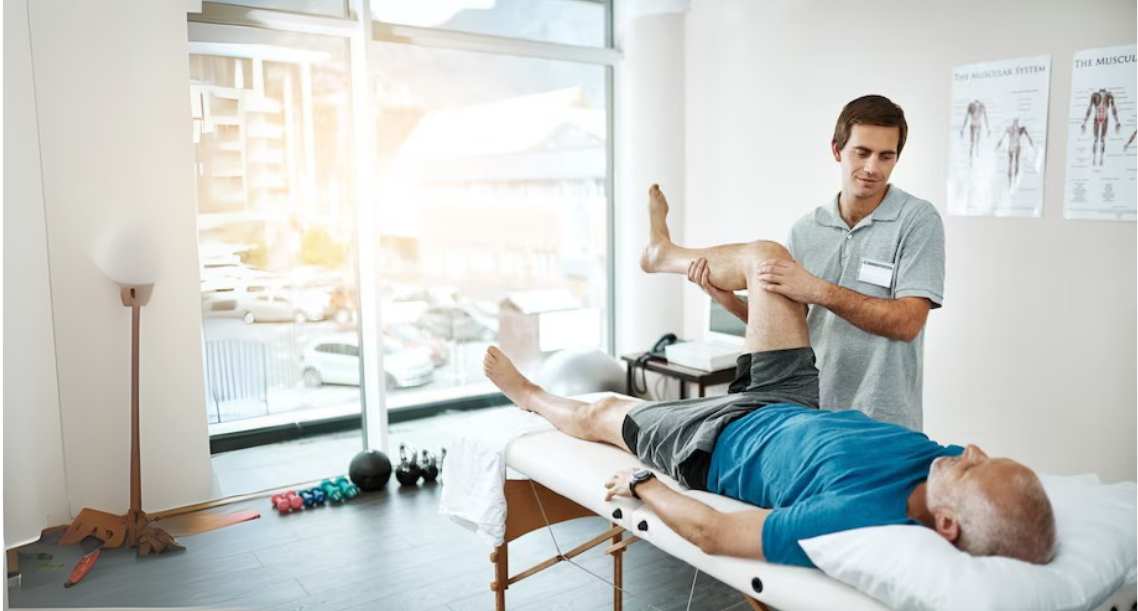
Satyarogya Healthcare Center helps reduce arthritis pain and improve mobility. Physiotherapy for Arthritis Treatment strengthens muscles and supports better joint movement.
Best Physiotherapy for Arthritis Treatment focuses on reducing pain, improving mobility, and helping individuals regain control over their daily activities. Arthritis, one of the leading causes of chronic pain, is characterised by stiffness, swelling, and restricted mobility.
Table of Contents
ToggleThese symptoms can significantly affect everyday life, making it difficult to complete routine tasks, attend work regularly due to pain, sleep comfortably at night, and maintain emotional well-being. As a result, arthritis can have a major negative impact on overall quality of life.
Many people with arthritis believe that since the condition is long-term, they must live with the pain and physical limitations that come with it.
However, there are effective options available to improve mobility and reduce discomfort. Arthritis physiotherapy focuses on improving movement, decreasing the amount of strain on your joints, and strengthening the muscles that support them.
Once individuals complete physiotherapy for arthritis, they are often able to remain active and independent without relying heavily on anti-inflammatory medication or pain relief to enjoy their daily activities
Understanding Arthritis and Its Impact on Daily Life
There are many different types of joint disorders:
known as ‘arthritis’ that causes inflammation, pain, and stiffness in the joints. Common types of arthritis include: osteoarthritis (OA), rheumatoid arthritis (RA), and inflammatory arthritis (IA).
Over time, arthritis will affect the body by reducing joint mobility, weakening of the associated muscles, changing the way that a person moves, and making normal activities such as walking, climbing stairs, or gripping objects difficult. If the proper treatments for managing arthritis are not followed, many patients will decrease their level of activity, which will lead to increased stiffness and weakness.
Physiotherapy for arthritis focuses on restoring normal movement patterns, balancing muscles surrounding the joint, and optimising how the joint moves as opposed to relying on medications to relieve the pain associated with arthritis.
Common Challenges Faced by Arthritis Patients:
Many patients report similar struggles across different stages of arthritis.
- Pain during movement and at rest
- Morning stiffness lasting more than 30 minutes
- Reduced independence in daily tasks
- Fear of exercise due to pain or flare-ups
- Gradual loss of strength and balance
Physiotherapy helps break this cycle by introducing safe, guided movement that protects joints while improving function.
Why Best Physiotherapy for Arthritis Treatment Is Essential
Physical therapy is highly effective for managing arthritis pain. Endorsed by orthopedic surgeons and rheumatologists worldwide, it addresses both the root cause and the symptoms of the condition.
Physical therapy empowers individuals by giving them insight into how to activate their muscles, improve control over their movements, and develop self-management techniques that will increase the patient’s future success.
How Physiotherapy Works for Arthritic Joints
The use of physical therapy is based on the principle of restoring optimal joint motion through the efficient functioning of adjoining muscles.
- Reducing joint stiffness through controlled mobility exercises
- Strengthening muscles to offload stressed joints
- Improving posture and alignment to reduce uneven wear
- Enhancing balance and coordination to prevent falls
- Educating patients on joint protection techniques
These components work together to reduce pain and improve quality of life.
Best Physiotherapy for Arthritis Treatment and Pain Management
Pain is the most common reason patients seek help. Best Physiotherapy for Arthritis Treatment uses a combination of active and passive techniques to reduce pain without dependency on medications.
Manual therapy, therapeutic exercises, and physical modalities are used based on individual assessment.
Evidence Based Pain Relief Approaches
Treatment approaches include:
- Joint Mobilization: To enhance movement and improve lubrication within the joint.
- Soft Tissue Techniques: To alleviate muscle tension.
- Thermal Applications: Using therapeutic heat or cold as indicated.
- Graduated Exercise: A carefully managed progression of exercises to prevent exacerbations.
These therapeutic interventions require cautious application, particularly in individuals with conditions such as inflammatory arthritis or significant joint degeneration.
Movement Based Solutions for Long-Term Joint Health
Sustainable arthritis care is not about rest alone. Movement is essential for maintaining joint nutrition, promoting cartilage health, and enhancing muscle strength.
Physiotherapists design movement programs that respect pain limits while promoting gradual improvement.
Role of Exercise Therapy in Arthritis
Range of motion exercises to reduce stiffness
Low-impact strengthening for joint support
Functional training for daily activities
Breathing and relaxation techniques to reduce pain sensitivity
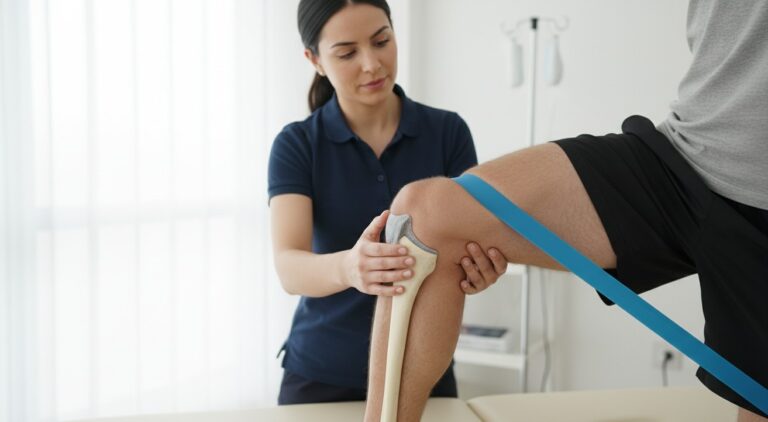
At Satyarogya Healthcare, exercise programs are adjusted regularly based on progress, flare-ups, and lifestyle demands.
Personalised Care Approach at Satyarogya Healthcare
Every arthritis patient presents differently. Age, joint involvement, activity level, and disease stage all influence treatment decisions.
Best Physiotherapy for Arthritis Treatment works best when care is personalised rather than standardised.
What Patients Can Expect During Treatment
Detailed assessment of joint mobility and muscle strength
Pain pattern and functional limitation analysis
Customised therapy plan with clear goals
Regular reassessment and progression
Education for home care and activity modification
This structured approach builds trust and encourages patient participation in recovery.
Addressing Workplace and Lifestyle Challenges
Many arthritis patients struggle with work-related pain, prolonged sitting, repetitive tasks, or physically demanding jobs.
Physiotherapy helps bridge the gap between medical care and real-life demands.
Practical Applications Beyond the Clinic
Workstation ergonomics advice
Activity pacing strategies
Joint protection techniques for daily chores
Guidance on safe recreational activities
Best Physiotherapy for Arthritis Treatment supports patients in staying active and productive without worsening joint damage.
Benefits of Early Physiotherapy Intervention
- Delaying treatment often leads to avoidable complications. Early physiotherapy can slow disease progression and reduce long-term disability.
- Key benefits include improved joint mobility, reduced pain episodes, better muscle support, and enhanced confidence in movement.
- Patients who start physiotherapy early often require fewer medications and experience better overall function.
Integrating Physiotherapy With Medical Management
Physiotherapy complements medical treatment rather than replacing it. Coordination between physiotherapists, physicians, and patients ensures safe and effective care.
Best Physiotherapy for Arthritis Treatment aligns exercise intensity with medical recommendations, especially for patients on long term medications.
This collaborative approach improves outcomes and patient satisfaction.
Frequently Asked Questions
The best physiotherapy for arthritis treatment involves a mix of exercises, manual therapy, and modalities like hydrotherapy. Personalised plans focus on pain relief and mobility improvement.
Yes. When guided by trained professionals, physiotherapy is safe and adaptable for osteoarthritis, rheumatoid arthritis, and other forms.
Physiotherapy manages symptoms effectively but doesn't cure arthritis. It slows progression and enhances quality of life.
Yes, when tailored by experts. Adjustments ensure safety for conditions like rheumatoid or psoriatic arthritis.
In many cases, yes. Strengthening and mobility improvements can delay or even avoid joint replacement for some patients.
Yes, with modified techniques. Therapists adjust intensity and focus on pain relief and gentle movement during flare-ups.
Some patients notice pain relief within weeks. Long-term improvements develop with consistent care and adherence.
Resistance bands, stability balls, and TENS units support home practice. Start with guidance to use them correctly.
If arthritis symptoms are affecting your routine, consider consulting a qualified physiotherapist. They can provide a customised assessment and plan to help you move with greater ease and confidence. Reach out to a local expert today for personalised support.
A Trusted Path Toward Better Joint Health
Living with arthritis does not necessitate accepting persistent pain or restricted mobility. Optimal Physiotherapy for Arthritis Treatment provides a pragmatic, evidence-based pathway toward improved function and autonomy.
At Satyarogya Healthcare, patients are afforded professional, empathetic physiotherapy treatment emphasising sustainable long-term results over transient relief. Every treatment regimen is meticulously formulated considering patient objectives, comfort, and safety.
Should arthritis-related pain or rigidity be impacting your daily activities, we advise seeking expert physiotherapy consultation. For further details or to arrange an appointment, kindly visit satyarogya.com or contact info@satyarogya.com. Initiating the process of informed care can substantially enhance your daily movement and overall quality of life.
Satyarogya Healthcare
Trusted Physiotherapy & Autism Centre in Noida
- D-3, Sec-20, Noida, UP
- +91 8448574664
- info@satyarogya.com
- Physiotherapy
- Nursing
- Autism (ASD)